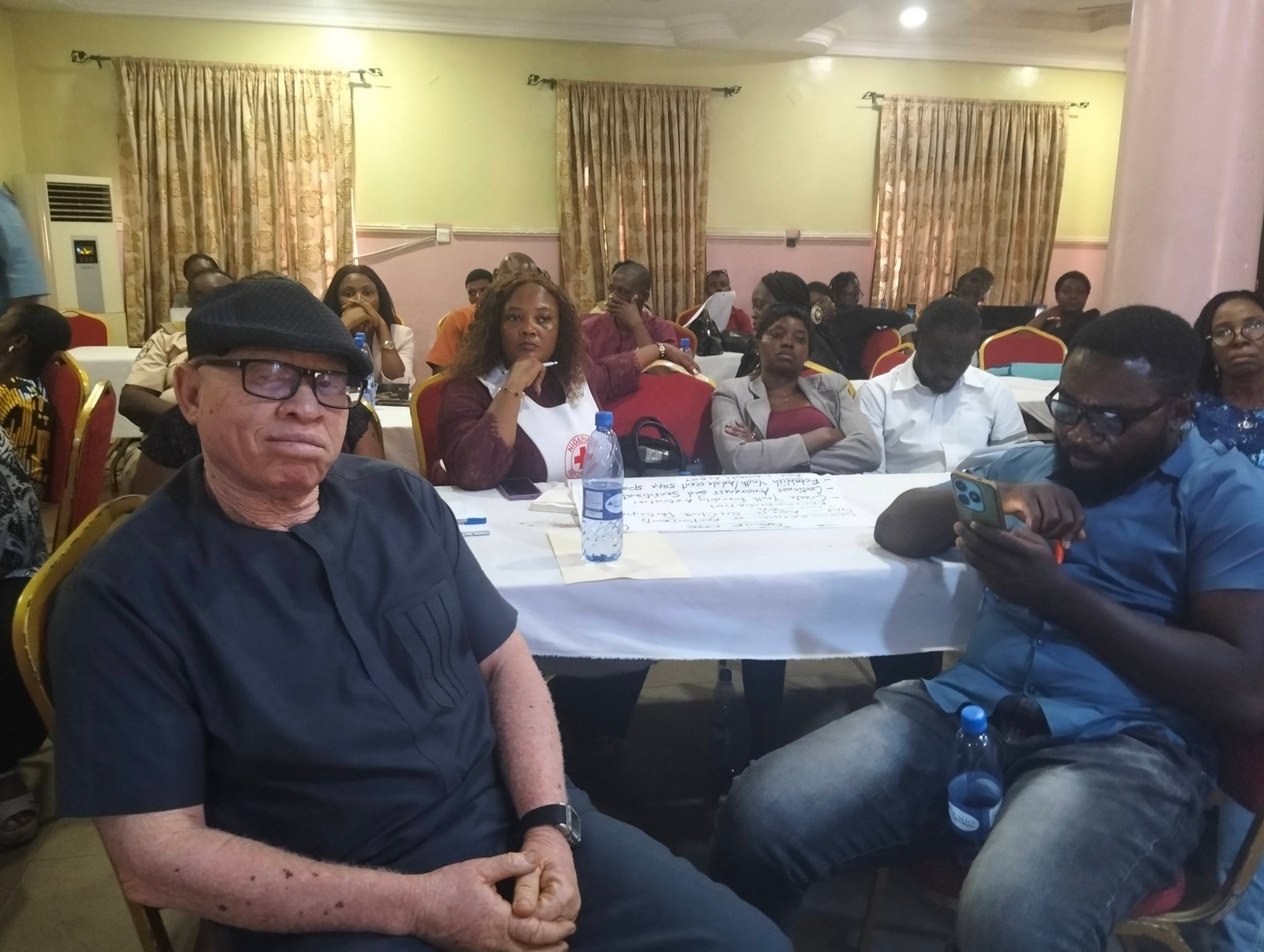
Last week, the International Organization for Migration (IOM), in collaboration with the Benue State Ministry of Women Affairs and Social Welfare, organized a two-day training programme on Complaints and Feedback Mechanisms (CFM) for stakeholders in Internally Displaced Persons (IDP) camps across the state. The workshop, held in Makurdi, brought together camp managers, protection officers, community leaders, women groups, youth representatives, and organizations of persons with disabilities to strengthen accountability and transparency in humanitarian response.
Effective CFM ensures that displaced populations can safely report concerns, request information, and receive timely responses on issues affecting their dignity and survival. In IDP settings where vulnerability is high, a functional feedback system is not a luxury — it is a lifeline. It prevents abuse, reduces misinformation, and gives affected communities a voice in decisions that affect them.
As Chairman of the Joint National Association of Persons with Disabilities (JONAPWD) Benue State Chapter, I participated in the training and made a strong case for the deliberate inclusion of persons with disabilities in all CFM structures. Too often, complaint desks are physically inaccessible, feedback channels ignore the needs of deaf or blind persons, and data collected is not disaggregated by disability. This exclusion silences those who already face the greatest barriers in camps — from accessing food distribution points to latrines and health services.
During the sessions, I emphasized three key demands: first, that all CFM tools and information be provided in accessible formats such as braille, large print, pictorials, and sign language interpretation; second, that persons with disabilities be appointed as CFM focal persons in each camp to build trust and ensure peer support; and third, that camp managers be trained on disability rights and the Discrimination Against Persons with Disabilities (Prohibition) Act, 2018 to address stigma-driven neglect.
The training was interactive, with case studies on handling sensitive complaints, protection from sexual exploitation and abuse, and referral pathways. IOM facilitators and Ministry officials committed to reviewing camp CFM guidelines to reflect disability inclusion.
This collaboration is timely. As Benue continues to host thousands of displaced persons, accountability must leave no one behind. An inclusive complaints system means a deaf woman can report harassment, a wheelchair user can request accessible shelter, and a child with albinism can ask for sunscreen without fear.
IOM and the Ministry have taken a vital step. The next step is implementation — ensuring that in every IDP camp, persons with disabilities are not just beneficiaries of aid, but active participants in shaping it.


